

The Maternal Method is reader supported. Links may be affiliate links. Thank you for your support!
Does exercise affect milk supply?
After a woman has a baby, they for some reason want to know how soon they will be able to lose the weight, what actions they can take, does exercise affect milk supply and how long will it be when they can fit back in those jeans. When it comes to weightloss and breastfeeding, there are a few answers to questions you probably want to know.
Many new moms think they have to diet by restricting calories in order to achieve weightloss and breastfeeding. In reality this is not healthy for mom or baby; especially if you are breastfeeding. I’m going to provide the information you need to make milk for baby and lose the baby weight in a healthy way
Will Exercise Affect my Milk Supply?
Exercise will not affect your milk supply, studies have shown that moderate exercise does not affect breastfeeding moms milk supply. Let’s keep in mind that ‘way back when’ moms where doing quite strenuous work to keep the household running. Things such as churning butter, making bread, putting wood on the fire, taking care of cattle and chances are they breastfed their babies also.
In the year 2020, moms are still working, just a bit differently. Exercise makes us feel good and it is highly encouraged after we have a baby so that we can continue to feel good amidst the changes that have taken place. Moderate exercise is encouraged such as yoga, low impact weight lifting, Pilates, barre, biking, walking and swimming. High intensity exercises such as running, jumping, and kickboxing should be considered only after healing has taken place which can take up too 6 months or longer. Some things to keep in mind during this time:
- Wait until 6 weeks before beginning exercise
- If you had a cesarean wait time is typically 8 weeks.
- See a pelvic floor therapist beginning exercise
- Complete some sort of core restoration program (Think of it as rehab)
- Start slowly and gradually.
- Drink water, water water!
- Don’t compare yourself to what other ‘new moms’ are doing
- Everyone is different, some women take longer to get a ‘groove’ back.
How many Calories do you burn while Breastfeeding? How many calories should I eat?
On average it’s been researched that breastfeeding burns an additional 200-700 calories per day. At the higher end the mother would be exclusively breastfeeding and baby eating 8-12 times per day. For those moms who utilize formula or a combination of formula and breast-milk the calorie output would be less.
On average a breastfeeding mother must eat a minimum of 1800 calories a day so that exercise does not affect milk supply. This is all dependent on your activity level and the quality of the foods that you are eating. If you are eating a diet rich in lean protein, fibrous vegetables, fruits and healthy fats breastfeeding women typically can lose 1lb-3lbs per month. You can use this macro calculator to figure out how many macro’s you need in a day while breastfeeding.
You can also check out this amazing nutrition course that will teach you how to become a pro fat burner and how to eat quality foods. BECOME A PRO FAT BURNER COURSE
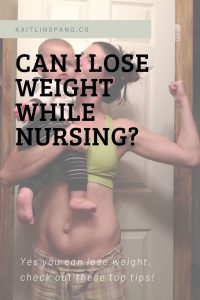
Can I lose weight while breastfeeding?
Yes you can lose weight while breastfeeding. Some women lose it faster, some it may take up to a year or longer to lose what was gained over those 10 months of pregnancy. As long as you are eating a well rounded healthy diet women will naturally lose the weight over time. Losing weight by dieting, restricting, taking fat loss pills or excessive exercise will not result in a healthy weightloss and puts you the mother and your milk supply (if nursing) at high risk. Too much exercise and a drastic cut in calories will affect your milk supply, so I advise you not to try or do any of those things.
What should I eat while exercising and breastfeeding?
Weightloss and breastfeeding OR just breastfeeding you need calories. Your body will make milk regardless of the foods you eat however you will see a better production if the foods you are quality. So a few things to keep in mind for fuel:
- Eat a variety of foods, eggs, chicken, red meat, legumes, green veggies, fruits, veggies, whole wheat breads, pasta and healthy fats such as coconut milk, avocado and nuts.
- Eat at least 20-30g of protein at each meal.
- Drink water, every time you nurse drink at least 8 ounces.
- Limit caffeine to 3 drinks per day.
- Limit cardio to 2x a week and focus on non-impact strength training such as barre, Pilates, & functional training.
What should I eat to increase my milk supply while exercising?
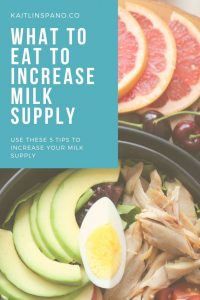
Many of the things we have discussed already in this article are going to help provide a sufficient milk supply such as eating a well rounded diet and staying hydrated. Think of it this way, you need liquid in to put liquid out. A few other tips to support your milk supply:
- Take a Quality Vitamin. Keeping up with the proper vitamins and minerals for your body is important. The AAP recommends proper amounts of calcium, Vitamin D, Iron, Folic Acid the most important.
- Follow your babies lead; especially in the first 4 months. Let baby eat when it is hungry. Schedule’s are helpful but don’t stick to them so rigidly. The more that baby drinks the more your body will make.
- Completely empty each breast; so your body knows it needs to make more! Using a Haaka is a great way to help do this after the baby drinks from each side.
- Eat quality Whole Foods. Eating a wide range of protein, veggies and whole food fats will fuel your body with what it needs to make quality milk.
- Oats have been known to increase milk supply, so a nice bowl of oatmeal, and banana oatmeal cookies are a great choice for snacks.
- Drink lactation tea, Pink Stork has one that is highly supported.
- Supplements that will support fat cell shrinkage, increase muscle tone, support postpartum hair loss, gut health & joint health.
In Conclusion:
Does exercise affect milk supply? No, exercise will not affect milk supply as long as you are eating enough calories from quality whole foods. While you are breastfeeding you should not be partaking in high intensity activity as that could affect the lactic acid created in your milk.
Eating a well rounded diet, eating enough calories (no less than 1800), staying hydrated and understanding that a loss of a 1-3lbs a months is considered normal. Keep in mind it took 9 months to grow and nourish baby, it is going to take a bit of time to lose all the weight as your body is now nourishing you and baby on the outside.
Resources:
https://www.llli.org/breastfeeding-info/exercise/
Exercising Through Your Pregnancy, by James F. Clapp III MD and Catherine Cram MS

Leave a Reply