

Core Exercises During Pregnancy, What is Safe & What Isn’t?!
Be sure to download your FREE GUIDES:
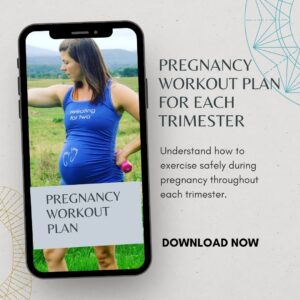
The BIGGEST question that seems to be lurking out there for all my active mothers to be is “What core exercises are safe to do once I become pregnant?!”
So hold onto your hat Momma’s because I’m going to share with you the TRUTH about core exercises and why from here on out ‘crunches’ or ‘sit ups’ are off limits. Tune in to find out the BEST way to work that core unit!
Is ab work safe during pregnancy?
Ab workouts are safe during pregnancy, and honestly essential, as long as they are the RIGHT ONES! Your core is growing a bit everyday so keeping those core muscles strong is going to reduce other aches and pains in the long run. HOWEVER; PROPER ab work is the ONLY abdominal work that you should be doing. Engaging your ENTIRE core unit throughout the day is the best way to do this, and this all begins with proper activation of the diaphragm.
Are ALL ab exercises safe during pregnancy?
NO, not all abdominal exercises are safe during pregnancy. Many women tend to hold their stomach in, in hopes that it will make them look slimmer and keep that core tight and strong. When the majority of society thinks of an exercise to work the abdomen the first thought is usually a sit up or a crunch right?!
Holding your stomach in actually does more harm than good. It puts pressure on your connective tissue which will cause over stretching, possible hernia and diastasis recti. It also prohibits you from breathing through your diaphragm which is essential for proper core engagement from your pelvic floor on up.

What kind of ab workouts are best during pregnancy?
The best type of ab workouts to do during pregnancy and postpartum, and honestly for the rest of your life is;
- Breathing through your diaphragm
- Activating your core unit utilizing the belly pump during your everyday functional movements & exercise routine.
Understanding that your core is the basis of every move that you make will allow you to better understand how you use your core as you move throughout the day. Activating your core unit as you bend down to pick up your kiddo, or a laundry basket, as you squat to sit on the toilet, as you are walking your dog, all these movements require that proper core engagement. Who would have thunk right?!
How will core work help me during pregnancy?
Proper ab workouts during pregnancy are going to keep your core strong and stable. Your core is the basis of every move that you do. During pregnancy your core grows and expands, in order to reduce aches and pains from starting up in other parts of your body; keeping your core strong is going to make you feel strong and stable. Also, proper core engagement utilizing your transverse abdominis is going to help aid you in pushing your baby out. This is the main function of this muscle so this is a MUST.
Can I lay on my back during pregnancy?
Surprisingly enough you can lay on your back during pregnancy, as long as YOU feel comfortable with it. It will obviously become more difficult the further along you are in your pregnancy however; it is not harmful. Most woman can lay on their back for a short period of time to do some deep breathing/relaxation techniques; but it is personal! If you begin to feel dizzy or lightheaded your body is telling you time to roll to the side please. Every stage of pregnancy is different and every body is different; so do what YOU feel most comfortable doing.
In Conclusion
The only ab workouts you should be doing in pregnancy are proper activation of your core unit in order to strengthen your transversus abdominus. When you understand this whole body connection the way you move will change for life. Not only will you change the way you move you will find that your connection to your body is THAT much better and your overall strength is going to increase.
The first place to start with understanding how to exercise your core properly and safely is breathing through your diaphragm, and from there understanding the proper belly pump activation.
What Next?!
Download your Free GUIDES:
Leave a Reply